
Top Signs You Need Garage Door Service — Don’t Ignore These
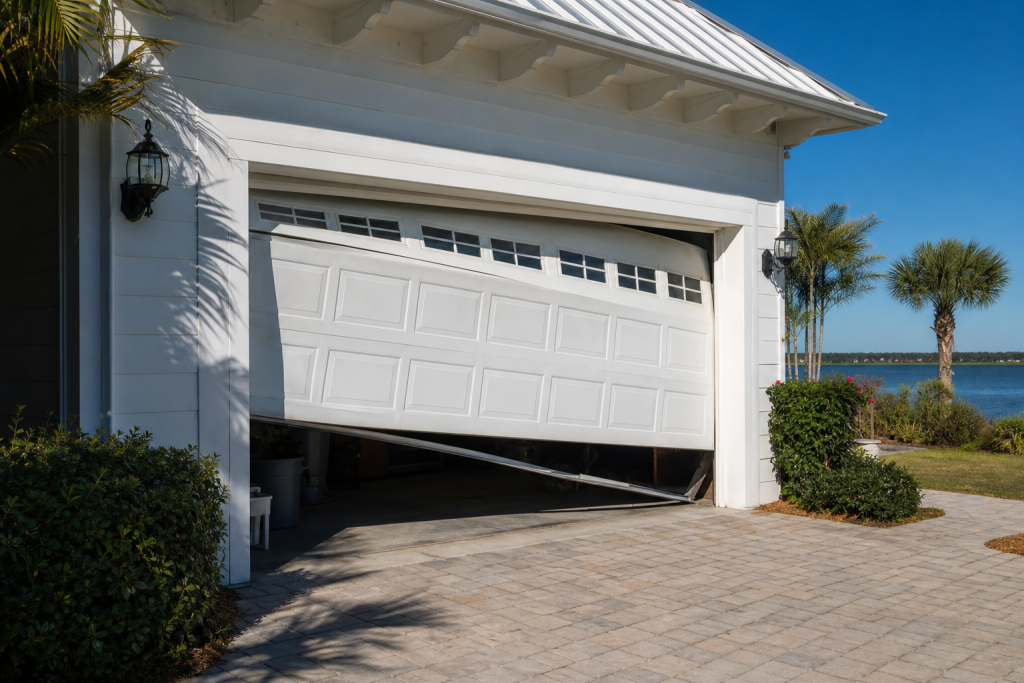
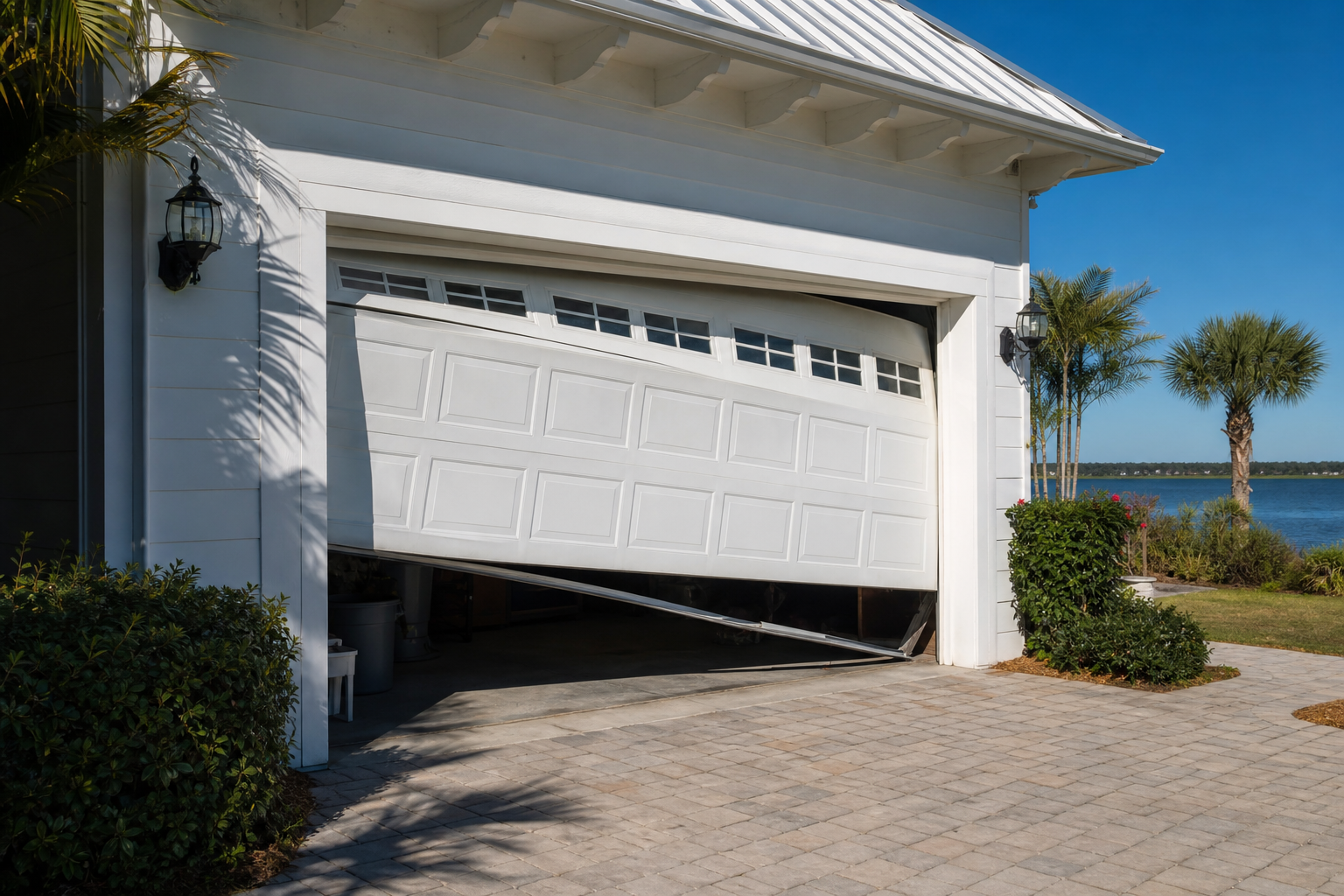
The torsion spring that snapped on a Nocatee homeowner’s car-trapping door at 7 a.m. had been making a distinct grinding noise for three months — a sound we can diagnose over the phone in 30 seconds. Many garage door problems don’t appear out of nowhere; they send out signals, often for weeks or even months, that homeowners tend to overlook because the door still “technically” works. This common tendency to ignore these subtle warnings is precisely why we’ve seen so many emergencies over our 18 years in the business. When your garage door starts acting up, it’s not just an inconvenience; it’s a potential security risk and a sign of a component on its last leg. Understanding these early indicators can save you from a much larger headache, and potentially significant damage, down the road.
Are You Hearing It? The Sounds That Spell Trouble
Your garage door is a complex system of moving parts, and like any mechanical system, it will tell you when something’s wrong through sound. Over the years, we’ve learned to distinguish the normal operational hum of a healthy door from the distress signals that indicate an imminent failure. For instance, a consistent, high-pitched squeal that gets worse when you operate the door often points to dry or worn rollers and hinges that need lubrication or replacement. A more concerning sound is a loud grinding noise, which can indicate a problem with the opener’s gears or a worn-out bearing plate. In Ponte Vedra Beach, where the salty air can accelerate wear and tear, these sounds can sometimes be exacerbated by rust. We’ve also encountered popping or snapping sounds, frequently associated with a damaged or weakening torsion spring. These springs are under immense tension and ignoring these noises is like ignoring a ticking time bomb. A garage door that’s suddenly much louder than usual, or makes a new, distinct noise, should be inspected promptly. Don’t let a strange sound go unchecked; it’s often the first clue that a component is under severe stress and close to breaking. This is especially true for the opener motor itself; if you hear it straining or groaning more than usual, it could be a sign of internal wear or an obstruction it’s fighting against.
Visual Cues: What Your Eyes Can Tell You About Your Garage Door
Beyond the sounds, your garage door offers plenty of visual clues that something isn’t right. Many of these are visible from the ground without needing to climb a ladder. Take a close look at your garage door cables. Are they frayed, showing signs of wear, or do they appear unevenly wound on the drum? Frayed cables are a serious safety hazard, as they can snap under tension, causing the door to fall unexpectedly. In Ponte Vedra Beach, we often see surface rust developing on hardware, which, while sometimes cosmetic, can indicate deeper corrosion in critical components like cables or springs, especially after a few humid seasons. Another critical visual indicator is your torsion spring, typically located above the door. If you see a visible gap in the spring, or if it looks bent or damaged, it’s a strong sign that it’s nearing the end of its lifespan. Torsion springs are crucial for counterbalancing the weight of the door, allowing it to open and close smoothly. A failing spring means the opener has to do all the heavy lifting, leading to premature wear on the opener motor. Similarly, inspect the tracks. Are they bent, dented, or misaligned? Even minor damage to the tracks can cause the rollers to bind, putting stress on the entire system. Don’t forget the bottom seal; if it’s cracked, torn, or no longer makes even contact with the floor, it might be time for a replacement, which can also indicate underlying track issues.
When Your Door is “Slow” or “Tricky” — It’s More Than Just the Remote
We often hear homeowners say their garage door opener is “acting up” or that the door is “a little slow” or “sometimes needs a second click.” While a dead remote battery is a common culprit for a door that won’t open on the first try, these symptoms can also point to more significant issues within the opener system itself or its safety mechanisms. If your opener motor seems to be struggling, taking longer than usual to engage, or if you find yourself repeatedly pressing the button, it could be a sign that the motor is overheating or that internal gears are wearing down. This is particularly common in older LiftMaster or Genie openers that have seen years of service. Another critical indicator is the safety auto-reverse system. Every garage door opener is equipped with safety sensors at the bottom of the tracks that should prevent the door from closing if an obstruction is present. A simple monthly test involves placing a piece of wood (like a 2×4) on the ground in the door’s path. When you try to close the door, it should immediately reverse upon hitting the wood. If it doesn’t reverse, or if it reverses only after hitting the obstruction hard, this is a critical safety failure. This isn’t just about convenience; it’s about preventing serious injury or damage, and a malfunctioning auto-reverse system is a major red flag that needs immediate attention. Ignoring these “minor” issues can lead to the opener motor burning out entirely, a much more costly repair than addressing the underlying problem.
Coastal Challenges: How Ponte Vedra Beach’s Climate Affects Your Garage Door
Living in a coastal community like Ponte Vedra Beach brings unique challenges for your garage door. The salty air and high humidity can accelerate corrosion and wear on components that might hold up perfectly fine inland. We frequently see white, powdery residue, known as efflorescence, on the bottom panels of garage doors, particularly those made of steel or certain composite materials. While this can sometimes be cleaned off, it’s a visual cue that the metal is being exposed to moisture and salt, potentially leading to rust if not managed. Another coastal-specific issue is the weather seal, or bottom gasket. In a humid environment, the rubber can degrade, crack, or lose its flexibility, preventing it from making a proper seal with the concrete floor. This not only allows more moisture and pests into your garage but also indicates that the seal is no longer performing its protective function effectively. We also notice that hardware, like hinges, rollers, and brackets, can develop surface rust much faster here than in drier climates. While minor surface rust might not immediately impact function, it’s a sign that the protective coatings are breaking down, and these parts could be nearing the end of their lifespan. Regular inspection of these weather-exposed components is crucial for homeowners in Ponte Vedra Beach to prevent premature failure. It’s why we recommend annual inspections for our clients in areas like Marsh Landing and Sawgrass.
The Safety Auto-Reverse Test: A Critical Monthly Check
For any homeowner with an automatic garage door opener, performing the safety auto-reverse test should be a non-negotiable monthly chore. This feature is arguably the most critical safety component of your entire garage door system, designed to prevent serious accidents. As mentioned earlier, when the door is closing, it relies on photoelectric sensors at the bottom of the tracks or an internal force-sensing mechanism to detect obstructions. If the door encounters an object – whether it’s a pet, a child, a stray soccer ball, or even just a piece of wood – it’s supposed to immediately stop and reverse direction. To test this, simply place a 2×4 piece of lumber flat on the garage floor directly in the path of the closing door. When the door makes contact with the lumber, it should reverse its direction and open back up. If your door continues to close, crushes the wood, or stops and then slowly reverses, it’s a clear indication that the safety mechanism is faulty. This is not a minor issue; it’s a critical safety defect that significantly increases the risk of injury or property damage. The reason this happens can vary, from misaligned sensors to a malfunctioning opener logic board. In our 18 years, we’ve seen situations where a failing auto-reverse system has caused significant damage, and it’s always preventable by performing this simple test regularly. If your door fails this test, don’t delay in calling a professional. We’ve performed these safety checks on countless LiftMaster, Chamberlain, and Genie openers throughout Ponte Vedra Beach, ensuring they meet safety standards.
The Bottom Line
Ignoring the subtle signs your garage door is giving you can lead to inconvenient breakdowns and costly repairs. From unusual noises and visual wear on components to opener sluggishness and failed safety tests, these are all signals that professional attention is needed. Don’t wait until your door is completely stuck or causes an emergency. Regular checks and prompt attention to these early warnings will ensure your garage door operates safely and reliably for years to come. If you’re in Ponte Vedra Beach and notice any of these signs, Precision Overhead Door Service Ponte Vedra Beach offers free estimates and expert diagnostics. Give us a call at (904) 643-2090 to schedule your inspection.
Frequently Asked Questions
The most common problematic garage door noises include grinding, which can signal worn opener gears or bearings; popping or snapping, often related to a stressed torsion spring; and loud squealing or screeching, which usually points to dry or worn rollers and hinges. These sounds are your door’s way of telling you a component is under stress.
No, a garage door should not be used if a cable is fraying. Frayed cables are a serious safety hazard because they are significantly weakened and can snap under the immense tension of the garage door system. This could cause the door to fall unexpectedly, leading to severe damage or injury. We recommend immediately ceasing operation and calling a professional for cable replacement.
We recommend lubricating your garage door’s rollers, hinges, and tracks about twice a year, or more often if you live in a humid or coastal environment like Ponte Vedra Beach. Using a silicone-based lubricant or a specialized garage door lubricant will help reduce friction, prevent squeaking, and prolong the life of these components. Avoid using WD-40 on rollers, as it can attract dust and debris.
Whether it’s cheaper to repair or replace a garage door opener often depends on the nature of the problem and the age of the opener. Minor repairs, like replacing a faulty circuit board or a worn gear kit, can be more cost-effective than a full replacement. However, if the motor is failing, or if the opener is an older model with limited functionality and safety features, replacement might be the more economical and reliable long-term solution. We can assess your specific situation in Ponte Vedra Beach and provide an honest recommendation.
Reviewed by Adam Gonzales, Owner & Lead Technician at Precision Overhead Door Service Ponte Vedra Beach, serving Ponte Vedra Beach since 2022.
Need Garage Door Help?
Call Precision Overhead Door Service Ponte Vedra Beach — licensed & insured, available 24/7 in Ponte Vedra Beach.
(904) 643-2090